



Quantum Funding and Crypto Governance: Shaping the Future of Digital Assets
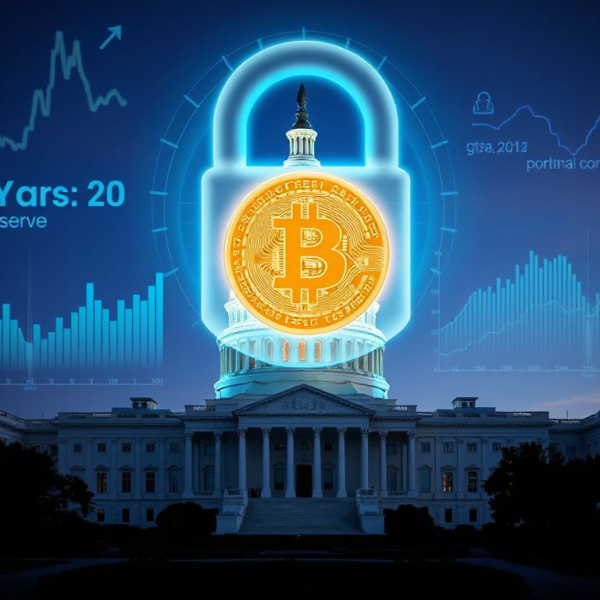
The U.S. Commerce Department has announced a $2 billion investment to develop fault‑tolerant quantum infrastructure, a move that marks the first large‑scale federal commitment to quantum computing with direct implications for the cryptocurrency sector. As a condition for receiving these funds, the government will acquire a minority, non‑controlling equity stake in each of the nine selected technology firms, ensuring public oversight while preserving private innovation. This partnership aims to accelerate the creation of quantum‑resistant cryptographic protocols, safeguard blockchain security, and position the United States as a leader in the emerging quantum‑crypto interface. Industry observers note that the infusion of capital will likely spur new startups focused on quantum‑secure wallets, post‑quantum consensus mechanisms, and cross‑chain interoperability, potentially reshaping the competitive landscape for both established coins and emerging tokens.
Parallel to governmental initiatives, the Ethereum community is grappling with internal governance challenges that have sparked calls for a massive, independent advocacy fund. Former Ethereum Foundation developer Dankrad Feist, known for designing the Danksharding scalability upgrade, proposed the creation of a $1 billion entity dedicated to promoting Ethereum’s economic interests and aligning incentives across developers, validators, and investors. Recent resignations of prominent researchers—including Danny Ryan, Carl Beek, and Julian Ma—underscore growing dissatisfaction with the current foundation’s limited financial stake (less than 0.1 % of total ETH) and its lack of direct revenue streams from staking or transaction fees. Feist’s vision calls for a board accountable to the broader community, a clear commercial strategy, and transparent funding mechanisms that could restore confidence and drive coordinated marketing, institutional outreach, and protocol development.
Both the federal quantum investment and the proposed Ethereum advocacy initiative highlight a broader trend: the convergence of public policy, massive capital deployment, and community‑driven governance in shaping the future of blockchain technology. While the $2 billion quantum program promises to fortify cryptographic defenses against next‑generation threats, the $1 billion Ethereum fund seeks to address perceived gaps in economic alignment and strategic execution within a leading blockchain ecosystem. For investors and developers, these developments signal an era where large‑scale funding—whether from government agencies or coordinated community efforts—will be pivotal in determining which platforms can sustain growth, attract institutional participation, and maintain security in an increasingly quantum‑aware digital economy.