


Kevin Warsh’s Fed Chair Confirmation and Its Ripple Effect on Bitcoin
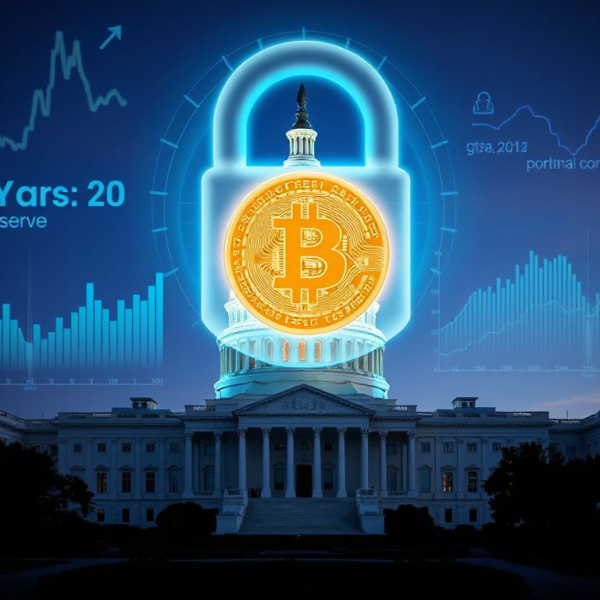
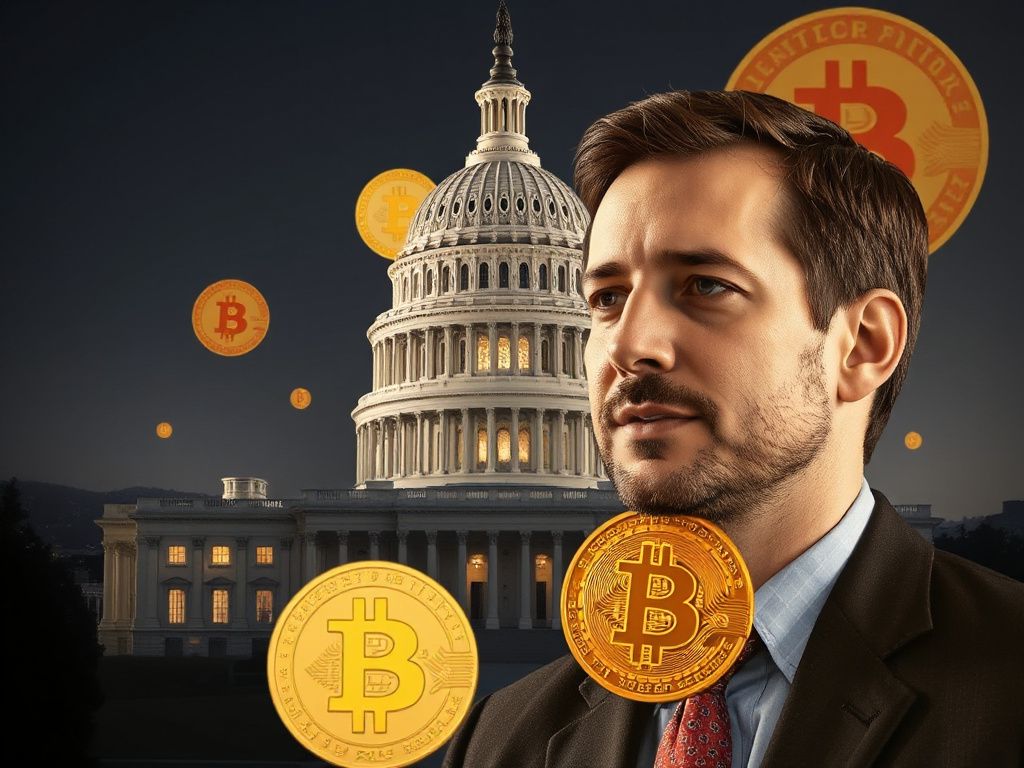
The Senate’s narrow 54‑45 vote confirming Kevin Warsh as the next Federal Reserve Chair marks one of the closest confirmations in modern history and sets the stage for a potentially transformative monetary policy shift. Warsh, who succeeds Jerome Powell on May 15, is slated to chair his first Federal Open Market Committee meeting on June 16‑17, a session already priced by the market with a 97 % probability of no rate cut despite President Trump’s public calls for immediate easing. In a November 2025 Wall Street Journal op‑ed, Warsh outlined a bold “QT‑for‑Cuts” strategy that would simultaneously shrink the Fed’s $6.5 trillion balance sheet through aggressive sales of mortgage‑backed securities while lowering the federal funds rate to a 3.0‑3.25 % range. Historically, such a dual‑track approach has squeezed liquidity for risk‑on assets, and Bitcoin’s price dynamics are expected to mirror that tension, even as lower rates traditionally support crypto demand. Analysts are therefore watching the Fed’s balance‑sheet trajectory as closely as the headline rate, with many warning that a rapid contraction could depress Bitcoin’s liquidity backdrop, potentially pressuring the cryptocurrency below its current sub‑$80,000 level.
Beyond the mechanics of quantitative tightening, Warsh’s appointment injects a new political dimension into monetary policy. President Trump has openly threatened to sue the Fed if Warsh does not deliver an immediate rate cut, a stance that could erode the institution’s perceived independence and amplify market volatility. Futures markets already reflect this uncertainty, pricing a 62 % chance of no rate cuts throughout 2026 and a 39 % probability of a rate hike following a hotter‑than‑expected producer price report. For Bitcoin investors, the confluence of political pressure and an unconventional policy mix creates a “risk‑on, risk‑off” paradox: while a lower policy rate could buoy speculative capital, the aggressive balance‑sheet reduction may drain the very dollar liquidity that fuels crypto buying. This duality is prompting traders to hedge exposure, diversify into real‑world asset tokenizations, and monitor macro‑economic indicators more closely than ever.
The broader geopolitical narrative also feeds into crypto sentiment. Recent media allegations that former President Trump attempted to manipulate the SpaceX IPO through a fabricated peace‑deal claim have added another layer of uncertainty to the market’s risk appetite. Although the accusations stem from Iranian media outlets and are not directly tied to cryptocurrency regulation, they illustrate how political controversy can spill over into the digital asset space, influencing investor confidence and regulatory scrutiny. As the Fed under Warsh navigates this fraught environment, Bitcoin’s price trajectory will likely serve as a barometer for how effectively the cryptocurrency market can absorb both monetary tightening and heightened political drama. Market participants are therefore advised to keep a close eye on Fed balance‑sheet disclosures, rate‑policy statements, and any emerging political headlines that could sway sentiment across the broader crypto ecosystem.