


Congress Revives the U.S. Strategic Bitcoin Reserve with a 20‑Year Lock‑Up
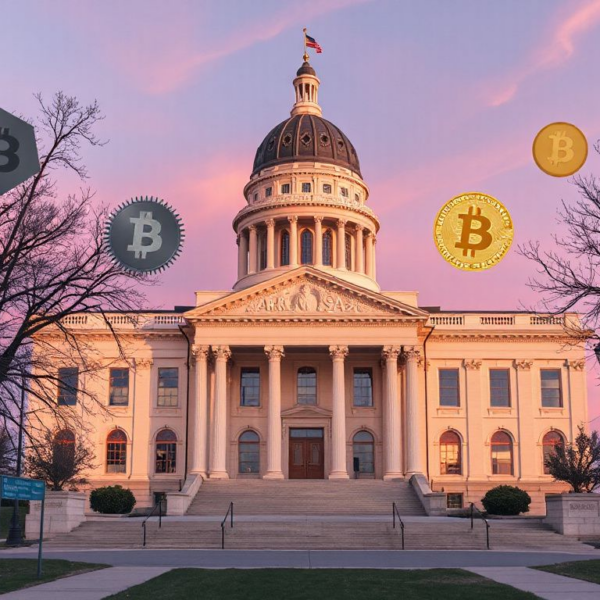
The U.S. House of Representatives has re‑introduced a bipartisan effort to embed Bitcoin into the nation’s strategic reserves, this time under the “American Reserve Modernization Act of 2026” (ARMA). Unlike earlier drafts that mandated the purchase of one million BTC, the new legislation drops that target and instead focuses on consolidating Bitcoin already held by the federal government—whether acquired through criminal and civil forfeiture, existing treasury holdings, or future acquisitions deemed budget‑neutral. The bill requires that any Bitcoin placed in the reserve be locked for a minimum of twenty years, prohibiting sale, exchange, auction, or any form of disposal during that period. After the lock‑up expires, the Treasury Secretary may recommend selling up to ten percent of the reserve assets within any two‑year window, providing a controlled mechanism for liquidity while preserving the long‑term strategic value of the digital asset.
ARMA also establishes an independent digital‑asset inventory to oversee not only Bitcoin but also other non‑Bitcoin cryptocurrencies held by the government. This inventory is designed to bring transparency, accountability, and a clear governance framework to the nation’s emerging crypto holdings, addressing concerns about valuation, security, and potential conflicts of interest. By formalizing a digital‑asset management structure, the bill aims to align the United States with other sovereign wealth funds that are beginning to recognize crypto as a legitimate component of diversified portfolios. The 20‑year lock‑up clause reflects a cautious approach, ensuring that short‑term market volatility does not compromise the strategic intent, while still allowing future policymakers to tap into a portion of the reserve if fiscal conditions demand it.
The revival of the Bitcoin reserve concept arrives amid a broader wave of regulatory and market activity in 2026: the SEC recently approved Bitcoin index options on Nasdaq, major exchanges report Bitcoin trading near historic highs, and public sentiment around digital assets continues to evolve. By anchoring Bitcoin within the federal strategic reserve, the United States signals a willingness to treat the cryptocurrency as a hedge against inflation and a potential store of value for future generations. This legislative push also underscores the growing consensus that digital assets deserve a place in national financial planning, positioning the U.S. as a leader in integrating blockchain‑based instruments into traditional fiscal policy frameworks.