


Ethereum Whale Activity and Market Impact in 2026
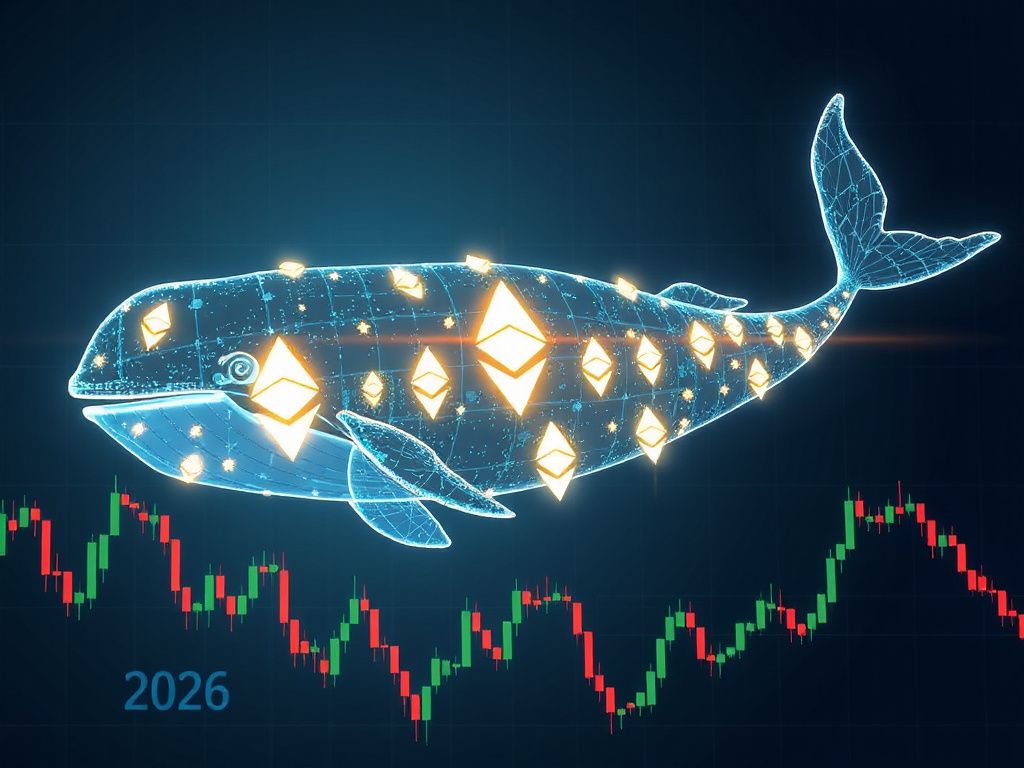
As of mid‑May 2026 Ethereum (ETH) is trading around $2,335, with daily peaks touching $2,380 before slipping back toward $2,318. While the price chart looks relatively calm, the real story lies in who is holding the coins. The largest ETH balances are no longer the secretive tycoons of early crypto lore; they belong largely to exchanges, protocol treasuries, and long‑term project wallets that act as silent market stabilisers. These “whales” accumulate during price dips, creating a hidden layer of demand that can influence short‑term volatility even when retail sentiment appears muted. Analysts note that the concentration of supply in a handful of institutional‑type addresses means that any sizable movement—whether a fresh purchase or a strategic sell‑off—has the potential to shift market dynamics quickly.
One vivid illustration of this new whale archetype comes from SharpLink Gaming, a publicly listed company that reported a $685 million net loss for Q1 2026. Despite the staggering loss, the firm’s Ethereum holdings exceed $2 billion, a figure more than three times its quarterly deficit. This disparity underscores a growing trend where corporations allocate substantial capital to digital assets as a hedge against traditional market turbulence and as a signal to crypto‑savvy investors. However, such sizable exposure also draws regulatory scrutiny, especially as authorities tighten oversight on corporate crypto holdings, smart‑contract security, and potential market manipulation. SharpLink’s case highlights how corporate treasury strategies can amplify the overall whale footprint and shape broader market expectations.
The combined effect of institutional wallets and corporate treasuries is reflected in Ethereum’s current technical outlook. Proprietary analysis aggregates ten technical signals, yielding a neutral sentiment with an even split between bullish and bearish indicators. Momentum tools such as the RSI and MACD hover around equilibrium, suggesting that price movements will likely be driven more by large‑holder activity than by standard market cycles. Traders and analysts therefore place heightened importance on real‑time whale monitoring tools, which can flag sudden inflows or outflows from the top addresses. As 2026 progresses, the interplay between concentrated ETH supply, corporate exposure, and evolving regulatory frameworks will continue to dictate price stability and potential breakout scenarios.