


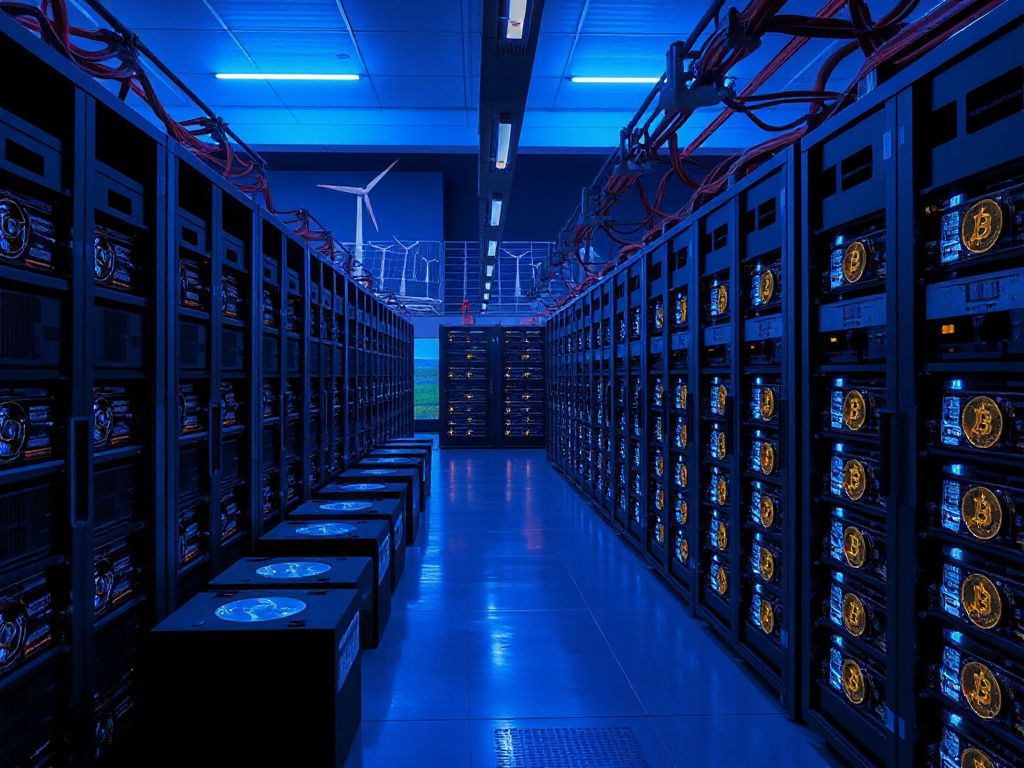
Marathon Digital’s Shift: From Bitcoin Mining to AI‑Powered Energy Infrastructure
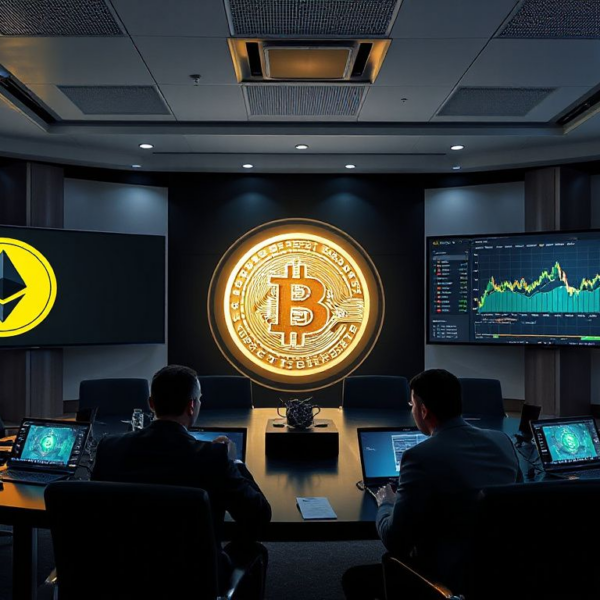
In early 2026 Marathon Digital Holdings (MARA) announced the sale of approximately $1.1 billion worth of Bitcoin, a move that freed up capital but also triggered a wave of restructuring across the company. Insiders reported that the firm began cutting jobs in several departments, a decision attributed to a strategic pivot toward high‑performance computing (HPC) and artificial‑intelligence (AI) workloads. To accelerate this transition, MARA entered a partnership with Starwood Digital, a specialist in managing large‑scale compute clusters, allowing the miner to repurpose its existing data‑center capacity for AI training and inference tasks. Analysts, including industry commentator Huh, warned that MARA’s future earnings will become increasingly tied to the success of its AI initiatives, marking a decisive shift from pure cryptocurrency mining to a broader compute‑as‑a‑service model.
The company’s evolution is rooted in its unique energy strategy. By locating operations in regions with abundant surplus electricity—often sourced from natural gas or stranded renewable power—MARA has been able to secure low‑cost energy for its Bitcoin farms. This same excess power now fuels the AI and HPC engines that the firm is deploying, effectively turning what was once a mining cost center into a revenue‑generating digital‑energy platform. The recent acquisition of Exaion, an AI‑focused infrastructure provider, further solidifies MARA’s ambition to monetize energy inefficiencies. Through Exaion, the firm can offer compute capacity to AI developers while simultaneously stabilizing the electrical grid, creating a symbiotic relationship between cryptocurrency production, energy markets, and next‑generation compute services.
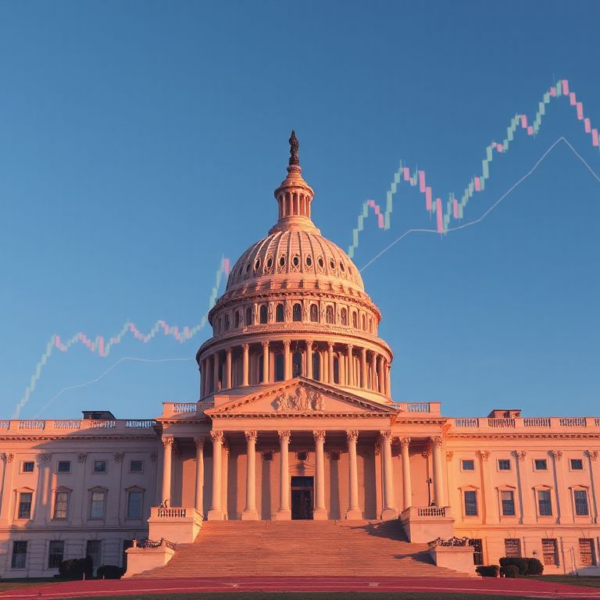
While the strategic realignment promises diversified income streams, it also introduces new market and regulatory challenges. MARA’s reliance on convertible notes to fund its expansion underscores the importance of maintaining investor confidence amid volatile crypto prices and evolving AI regulations. Moreover, the company must navigate potential policy shifts concerning energy consumption, data‑center emissions, and AI safety standards. Nonetheless, by positioning itself at the intersection of Bitcoin mining, grid‑level energy management, and AI compute, MARA aims to transform surplus electricity into a multi‑layered asset class, potentially redefining the role of crypto miners in the emerging digital economy.