



Imagine a future where finance and sustainability converge, giving birth to a revolutionary concept: Carbon-negative DeFi yield farms, a notion that’s gaining traction, especially among visionaries like Elon Musk, who has been at the forefront of innovative technologies through his ventures like SpaceX.
Introduction to DeFi Yield Farming
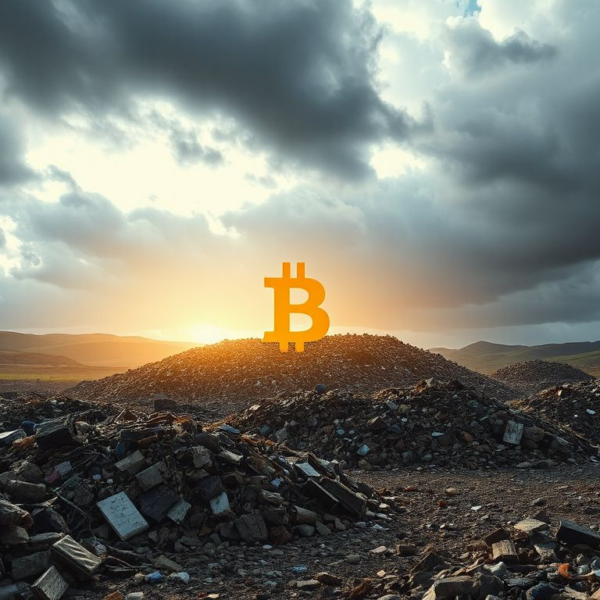
DeFi, short for Decentralized Finance, has been making waves in the financial sector by offering an alternative to traditional banking and financial systems. One of the most intriguing aspects of DeFi is yield farming, which involves lending or providing liquidity to generate returns, often in the form of additional cryptocurrency tokens. However, the environmental impact of cryptocurrency mining and the energy consumption of DeFi operations have raised concerns about their sustainability.
This is where the concept of Carbon-negative DeFi yield farms comes into play, aiming to mitigate the environmental footprint of DeFi by offsetting more carbon than it emits. This innovative approach aligns with the broader goals of sustainability and environmental stewardship, echoing the sentiments of pioneers like Elon Musk, who has emphasized the need for sustainable energy solutions through his endeavors, including SpaceX’s ambitions for a sustainable presence in space.
Understanding Carbon-Negative DeFi Yield Farms
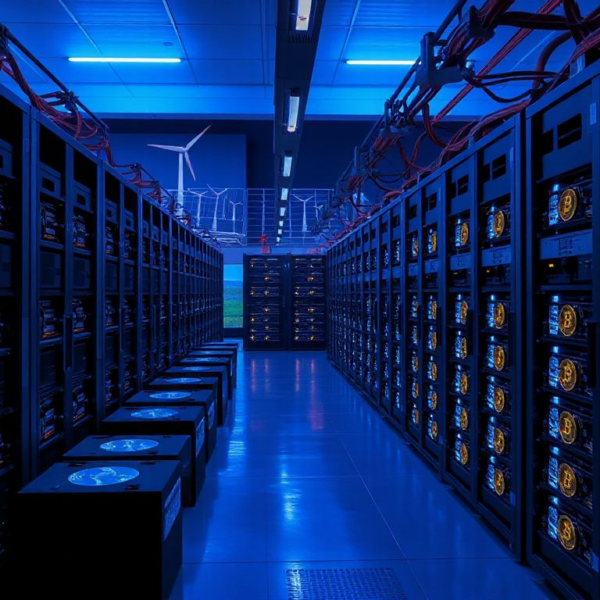
A Carbon-negative DeFi yield farm is essentially a yield farm that ensures its operations result in a net removal of carbon from the atmosphere. This can be achieved through various means, such as investing in renewable energy projects, carbon capture technologies, or reforestation efforts. By doing so, these yield farms not only provide a financial return to investors but also contribute to a healthier planet, making them an attractive option for those looking to align their financial goals with their environmental values.
For individuals interested in exploring more about sustainable cryptocurrency and DeFi projects, visiting TokenRobotic can provide valuable insights and resources. TokenRobotic offers a platform for learning about and engaging with various tokens and projects, including those focused on environmental sustainability.
The Role of Blockchain in Carbon-Negative DeFi
Blockchain technology, the backbone of cryptocurrency and DeFi, plays a crucial role in the implementation and verification of Carbon-negative DeFi yield farms. Through blockchain, transactions and operations can be made transparent and traceable, ensuring that the carbon offsetting claims made by these yield farms are legitimate and verifiable. This transparency is essential for building trust among investors and for the long-term success of Carbon-negative DeFi yield farms.
Moreover, blockchain can facilitate the creation of carbon credits, which can be traded on markets. These credits represent the right to emit a certain amount of greenhouse gases, and by buying and holding them, individuals and organizations can offset their carbon footprint. For more information on how blockchain and DeFi intersect with environmental initiatives, Discover more on TokenRobotic, which provides a wealth of information on tokens and projects focused on sustainability.
Elon Musk and the Vision for Sustainable Energy
Elon Musk, through his companies like Tesla and SpaceX, has been a vocal advocate for sustainable energy solutions. His vision for a future powered by renewable energy sources aligns with the goals of Carbon-negative DeFi yield farms. By promoting the use of solar power, wind energy, and other sustainable sources, Musk’s endeavors reflect a broader commitment to reducing our reliance on fossil fuels and mitigating climate change.
Musk’s influence extends beyond the tech and automotive industries, with his comments and actions often influencing the cryptocurrency and DeFi spaces. His support for sustainable practices and innovative technologies makes him a significant figure in the push towards Carbon-negative DeFi yield farming and other environmentally conscious financial initiatives.
Benefits of Carbon-Negative DeFi Yield Farms
The benefits of Carbon-negative DeFi yield farms are multifaceted, offering both financial returns and environmental benefits. For investors, these yield farms provide an opportunity to generate income while supporting sustainable practices. This dual benefit appeals to the growing demographic of environmentally conscious investors who seek to align their financial decisions with their personal values.
Furthermore, Carbon-negative DeFi yield farms can help drive innovation in the renewable energy sector and carbon capture technologies by providing funding for these initiatives. By doing so, they contribute to a reduction in greenhouse gas emissions and help combat climate change, making them a vital component of a sustainable future.
For those looking to learn more about the intersection of finance, technology, and sustainability, visiting TokenRobotic can offer a wealth of information and insights into the world of sustainable tokens and projects, including Carbon-negative DeFi yield farms.
Challenges and Future Directions
Despite the promising potential of Carbon-negative DeFi yield farms, several challenges need to be addressed. These include regulatory hurdles, the high energy consumption of some blockchain networks, and the complexity of verifying the carbon offsetting claims of these yield farms. Additionally, ensuring the long-term sustainability and viability of these projects is crucial for their success.
To overcome these challenges, collaboration between stakeholders, including regulators, technologists, and environmental experts, is essential. Innovations in blockchain technology, such as the transition to more energy-efficient consensus algorithms, can also play a significant role in reducing the environmental footprint of DeFi operations.
For a deeper dive into the challenges and future directions of sustainable DeFi projects, including Carbon-negative yield farms, Discover more on TokenRobotic, which offers insights and analysis on the latest trends and developments in the DeFi space.
Conclusion and Call to Action
In conclusion, Carbon-negative DeFi yield farms represent a pioneering effort to merge financial returns with environmental sustainability. As the world moves towards a more sustainable future, the importance of such initiatives will only continue to grow. For those interested in exploring the intersection of DeFi, sustainability, and innovative technologies, visit TokenRobotic to learn more about the latest developments and projects in the DeFi space.
As we look to the future, the potential for Carbon-negative DeFi yield farms to make a significant impact on both the financial and environmental landscapes is undeniable. By supporting and investing in these initiatives, we can pave the way for a more sustainable and equitable future for all. Therefore, we encourage you to take the first step today by visiting TokenRobotic and discovering the wealth of information and opportunities available in the world of sustainable DeFi.
Additional resources for learning about sustainable DeFi and blockchain include Coinbase, Binance, and Ethereum, which offer a range of educational materials, news, and market insights. For a comprehensive understanding of the environmental impact of cryptocurrency and DeFi, visiting Carbon Brief can provide valuable information and analysis.